Hi! You know, I remember how quite recently I tried to reach the support of an online store. Half an hour on the line, music, "please stay on the line", and another half hour of waiting… And then bam — the call dropped! Familiar situation, right?
Now imagine — you write a message at 2 a.m. and get an answer instantly! No queues, no waiting, no "we'll call you back tomorrow". That's exactly the service chatbots provide today. And let's talk about why they've become a real breakthrough for business.
What are these chatbots and how do they work?
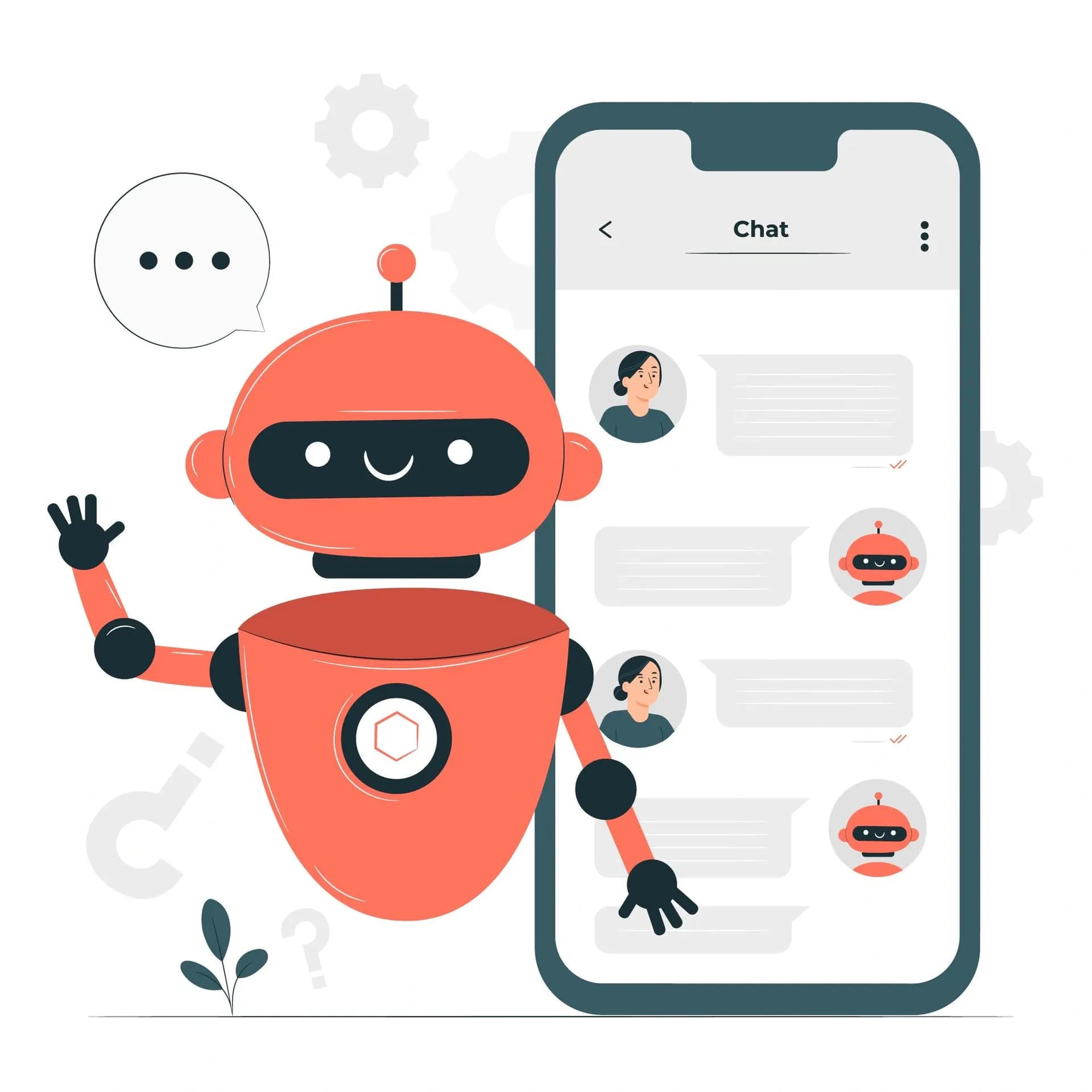
Put simply, a chatbot is a smart program that can talk to people through messages. Picture a digital conversation partner who's always online and ready to help.
There are different kinds of chatbots:
- Simple ones that work from ready-made scripts (like an answering machine, only in text format)
- Smart ones with artificial intelligence that learn on their own and can hold an almost natural conversation
- Something in between the first and the second
Have you ever chatted with a chatbot? Could you tell it apart from a real person?
5 real reasons why businesses love chatbots
1. They work 24/7 and don't ask for vacation
My friend Olena, the owner of a small online clothing store, told me: "You know, after we installed a chatbot our night-time sales grew by almost a third! It turns out lots of people shop at night, and before, they'd simply leave the site if they had questions because there was nobody to answer."
Think for yourself — how many customers do you lose when your office is closed?
2. Savings in money — noticeable!
Imagine you need to hire people to answer the same questions around the clock. How much would that cost? And a single chatbot can serve hundreds of customers at once and ask for neither a salary nor coffee!
Researchers calculated that by 2023 chatbots had saved businesses more than 8 billion dollars. Wow, that's like the GDP of a small country!
3. Customers get happier
Honestly, what annoys you more: getting an answer after 2 days or instantly? A rhetorical question, right?
Modern bots can:
- Remember your preferences (like the barista who remembers you like your latte without sugar)
- Adjust their communication style (for example, more informal with young people)
- Suggest what you might really like
4. They collect golden data
It's like having an analyst who works 24 hours a day. Bots collect information about:
- What customers ask most often (and what they complain about!)
- Which products raise the most questions
- When there are the most requests and what about
This data is a real treasure for any business. Have you ever thought about how valuable such information is?
5. They really sell!
My friend Maksym, the owner of an electronics online store, told me: "Our chatbot doesn't just answer questions. When a customer is interested in a laptop, the bot suggests which accessories go with it, offers a screen protector, a bag… And you know what? The average order value grew by 25%!"
According to research, companies with properly configured bots increase sales by 67% on average. Impressive, isn't it?
How to implement a chatbot: a simple plan for ordinary people
Step 1: decide what you need the bot for
Before rushing into technology, think:
- Do you want it to answer simple questions?
- Does it need to sell?
- Maybe just collect potential customers' contacts?
It's like a home renovation — first the plan, then buying the materials!
Step 2: choose a solution that fits your budget
If you have a small business, you don't have to order a super-complex bot for astronomical money. There are simple platforms like Chatfuel or ManyChat where you can set up a bot yourself, builder-style.
For larger companies there are more serious options, with artificial intelligence and even a bot "personality".
Step 3: think through the scenarios
Here, as in the movies, everything depends on the script! Think about:
- What questions do your customers ask most often?
- What interests them most about the product/service?
- When should it switch to a live person?
Remember that awful experience when a bot loops and gives the same answer over and over? Don't do that to your customers!
Step 4: test and improve
Before a full launch, let the bot work with a small group of people. My acquaintance Iryna launched a bot for her cosmetics store and it turned out it didn't understand questions about expiry dates. Good thing she found that out before the bot started talking to all the customers!
What awaits us next? The future is already close!
Technology doesn't stand still and soon we'll see:
- Voice bots that will sound like real people (already a bit creepy, right?)
- Bots that will understand our emotions (how are you feeling today? — and the bot will sense if you're upset!)
- One bot for all platforms — whether you're on the site, in Instagram or in Viber
- Bots that message you themselves: "Hi, I see you're looking at jackets. Want help choosing a size?"
Are you ready for that future?
Conclusion: get modern or lose
In a world where everything has to be fast, chatbots are no longer a trendy gimmick but a necessity. It's like a smartphone: you can, of course, use an old "Nokia", but you're missing out on a lot of possibilities.
Do you think your business would benefit from implementing a chatbot? Or maybe you already have a positive or negative experience with them? Share it in the comments!
And remember: while you and I are talking here, chatbots are already serving thousands of customers all over the world. Don't fall behind progress! 😉